How Your Liver Affects Your Energy and Hormones

When it comes to raising energy, it’s easy to think of quick pick-me-ups like coffee and energy drinks. But how often would you think about your liver?

It’s the same with hormonal symptoms. There are plenty of vitamins and herbs aimed at hormone balance, but would you think about liver health?

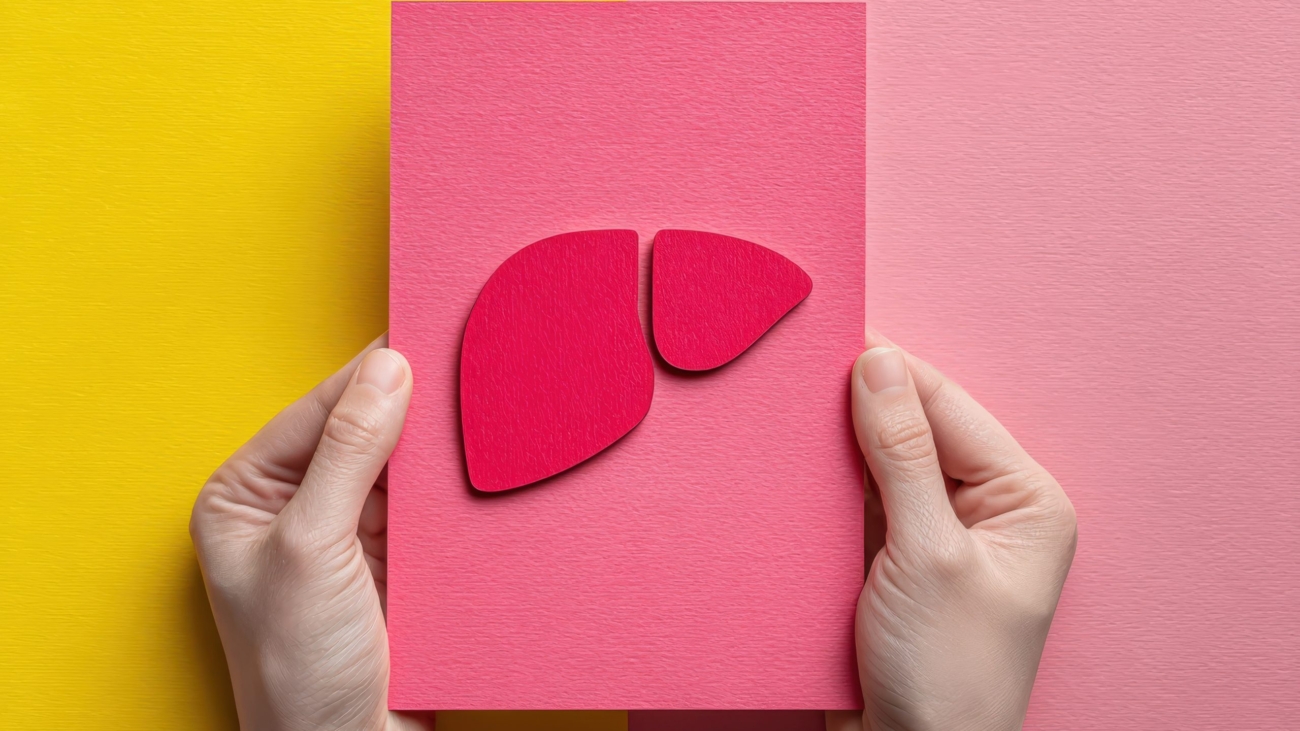
The liver is one of the hardest-working organs in your body. It’s much more than just a detox organ, it also stores fat-soluble vitamins, produces bile, filters blood, and metabolises macronutrients for energy. And yet we often don’t make the connection between liver health, energy, and hormones.

The liver’s role in energy production

The liver plays a central role in energy levels by closely monitoring blood glucose (glucose being the main source of fuel for energy production).

When blood glucose levels rise after a meal, your liver takes some of this sugar and stores it as glycogen. Then, when blood glucose drops low, it releases the glycogen back into the bloodstream.

It can also metabolise proteins to be used for energy when glucose isn’t readily available. Plus, bile produced in the liver absorbs the fat-soluble nutrients involved in energy regulation.

How your liver helps regulate hormones

Hormones are processed in the liver through two detoxification pathways called Phase 1 and Phase 2. Phase I makes old hormones and toxins more water-soluble, while Phase II binds them to a carrier molecule, ready for excretion in bile.

Because the liver is so central to hormone detoxification, liver health is intricately linked to hormonal conditions like endometriosis, pre-menstrual syndrome (PMS), and the symptoms associated with perimenopause and menopause.

How modern life puts strain on the liver

Modern life is tough on the liver. Stress, poor food choices, alcohol, and medications add to its workload. When the liver is nutrient-depleted and over-burdened with toxins, it struggles to cope. Fatigue, sluggish digestion, nausea, skin breakouts, and hormonal symptoms can all be signs that your liver needs some support.

Nutrients and botanicals to support your liver naturally

So how can we lend a hand to the hard-working liver?

Let’s start with cruciferous vegetables. Broccoli, kale, cabbage, rocket, and other vegetables in the Brassica family contain compounds called glucosinolates that assist the liver detox pathways. They’re also packed with B vitamins, vitamin C, magnesium, and carotenoids – key nutrients for Phase I detoxification support.

Artichokes have been shown to support bile flow and cholesterol balance and increase the activity of one of our most important liver antioxidant enzymes – glutathione peroxidase.  Okra, beetroot, asparagus, and aubergine are known to enhance the binding of bile acids which in turn supports cholesterol balance and toxin excretion

You can amplify the benefits of these vegetables even more by adding turmeric. Renowned for its anti-inflammatory actions, turmeric also has a modulating effect on the Phase I detoxification enzymes in the liver.

One herb has been used for hundreds of years to support liver health, and that’s milk thistle (Silybum marianum).

The active compounds in milk thistle collectively known as silymarin are a mixture of different chemicals called flavonolignans. Research shows that silymarin can:

Protect liver cells from damage.
Lower inflammation
Stimulate bile flow.
Support liver detoxification pathways.

Liver-supporting foods and herbs such as milk thistle are often used in seasonal cleansing routines in spring and autumn but they are suitable at any time of year, whenever your liver needs a helping hand.

Lifestyle tips for a healthy liver

Alongside foods and herbs, try these lifestyle tips for a healthy liver:

Aim to drink at least 1.5l of water a day to aid bile flow and flush out toxins.
Minimise alcohol as much as possible. Swap to botanical alternatives like ginger switchel instead.
Enjoy daily movement and exercise. This doesn’t have to be a long gym session, small pockets of exercise  known as “snackercise” (snacking on exercise!) are just as good. Research shows that exercise can improve liver function markers which reflect better liver health [6].
Aim to be asleep by 11pm at the latest. According to Traditional Chinese Medicine, the hours between 11pm and 3am are when the gallbladder and liver are most energetically active and we need to be resting to allow this to happen.

When to consider liver support

If you’re experiencing symptoms such as sluggish energy levels, nausea, slow digestion, difficulty digesting fatty foods, skin breakouts, or hormonal issues like pre-menstrual symptoms, it could be time to focus on your liver. Bring in more liver-loving foods like beetroot, green vegetables, and turmeric, and consider adding milk thistle for extra support.

Listening to the Female Athlete: Why One Nutrition Strategy Doesn’t Fit Every Stage of Life

The idea of considering female athletes as smaller versions of male athletes is completely outdated. There are days when some women feel that weights feel heavier, runs feel longer, and the power snack doesn’t just work the same. Toughing it out is not the right way to train for female athletes because your body’s nutritional needs and hormonal changes are highly related. Nutritional strategies developed for men can’t be directly adapted to women.

A 2026 study published in the International Journal of Sports, Health, and Physical Education analyzed 50 female athletes between the ages of 16 to 30. It found 64% lacked adequate energy intake, only 60% met protein requirements, 50% had iron deficiency, and only 40% hydrated properly. The authors also found that women athletes didn’t take enough calcium and vitamin D to support bone health. Individualized and customized nutritional strategies, accounting for menstrual cycle fluctuations, are necessary.

Another study, The Effects of the Menstrual Cycle on Physical and Psychological Parameters in female athletes, noted that hormone fluctuations across the six phases of the menstrual cycle affected muscle strength and psychological well-being.

Throughout early follicular, late follicular, ovulation, early, mid, and luteal phases, how your body responds to exercise, nutrition, and energy needs changes. How you feel depends on where you are on your monthly cycle. For the first two weeks, you may feel stronger and have more energy. But, in the final week before your period, your body naturally tires out quicker and workouts may feel harder. Knowing this, you can plan your training.

At the same time, there’s no blanket strategy to take specific foods at specific times of the cycle to boost performance. What matters is consistent nutrition throughout the day, specific additions before, during, and after workouts, and maintaining optimal nutrition for the whole month.

Get the Basic Nutrition Right

The most important aspect that hinders the performance of female athletes is Low Energy Availability (LEA). If the total daily or monthly calorie intake drops lower than what the body needs to support basic life functions, as well as exercise, reproductive health is impacted. For women, Relative Energy Deficiency in Sports (REDS) impacts both performance and hormonal health. To ensure adequate energy availability, time your meals relative to the exercise.

The biggest mistake active women make is under-eating. High levels of activity naturally increase energy demands, and intake of sufficient carbohydrates is essential. Protein needs increase for active women as they progress through different life stages. For example, during menopause, natural hormonal changes mean the body requires more protein and specific amino acids to maintain lean muscle mass and strength. Some women opt for protein supplements with EAAs and BCAAs to meet the protein requirements. A good amount of energy intake should come from healthy fats through fatty fish, nuts, seeds, and avocados, while limiting the intake of saturated and trans fats.

Focus on Hydration

Maintaining proper fluid balance is crucial for women because dehydration of more than 2% of body weight can impact performance. Hydration should begin before exercising and during exercise; the intake must match sweat loss rates. It depends on the timing of the day, intensity of exercise, environment, and how much you sweat during the exercise. Sports drinks and electrolyte supplements can be useful for proper hydration. For recovery post exercise also, sufficient fluid intake is necessary.

Supplement Smartly

Experts recommend a food-first approach to get all macro and micro nutrients from whole foods, fruits, vegetables, and lean meat. At the same time, some peer-reviewed studies point out that supplementing smartly based on individual needs can help with performance. For example, some women optimize their diet along with creatine monohydrate supplements to train for high-intensity short-duration exercise capacity. Caffeine is also a common choice to improve alertness and reduce perceived exercise effort during sprint performance. Micronutrients such as iron, vitamin D, and calcium support the health of female athletes and individual needs vary. Clinical assessment and professional evaluation can help personalize the supplementation for active women across different ages.

Conclusion

There’s no single nutritional plan that works for a female athlete at every stage of her life. What actually helps is a simple strategy: eat enough to cover training and hormonal health together. Closing the energy intake gap supports performance, recovery, and long-term health. Instead of focusing on individual components of nutrition, timing the carb intake, taking adequate protein based on activity, and hydrating throughout the day matter more for energy availability. If you want to choose supplements, choose those formulated based on real scientific evidence and customized for women of your age.